QU'EST-CE QUE TU CHERCHES?

Lightweight plastic bottles are becoming increasingly popular in cosmetic packaging because they offer a practical balance of durability, convenience, design flexibility, and transportation efficiency. From facial cleansers and moisturizers to shampoos, body lotions, and sunscreen, more beauty brands are choosing lightweight packaging to meet changing consumer expectations and improve product distribution.
Compared with heavier packaging materials, lightweight plastic bottles are easier to carry, less prone to breakage during everyday handling, and available in a wide range of shapes, sizes, and dispensing options. They also provide cosmetic brands with greater flexibility when developing packaging for different product formulas and market segments.
For cosmetic manufacturers and private-label beauty brands, lightweight plastic packaging is not simply about reducing bottle weight. It is about finding a container that protects the formula, supports a convenient user experience, and maintains an attractive appearance throughout the product's lifecycle.
As a cosmetic packaging manufacturer, LISSON Packaging offers a range of plastic bottle solutions for skincare, haircare, and personal care applications, including PE, PET, PETG, and other customized packaging options.
The growing popularity of lightweight cosmetic bottles is closely connected to changes in the beauty and personal care industry. Brands are looking for packaging that is practical to manufacture, convenient to distribute, and appealing to consumers.
Lightweight plastic bottles address several of these requirements at the same time.
First, an optimized bottle structure can reduce the amount of raw material needed for each container. Second, lighter packaging can make finished products easier to handle and transport. Third, plastic manufacturing allows brands to develop different bottle shapes, capacities, colors, and dispensing systems without being limited to a single packaging style.
These advantages make lightweight plastic packaging suitable for a wide range of products, from everyday facial cleansers to premium skincare and professional haircare collections.
For brands looking for different packaging structures, LISSON provides custom plastic cosmetic bottles designed for different product applications and packaging requirements.
Transportation is an important consideration for cosmetic brands, particularly those distributing products internationally. Packaging weight contributes to the overall shipment weight and can influence freight costs depending on the shipping method and transportation arrangement.
Lightweight plastic bottles can help reduce the total weight of packaged cosmetic products compared with heavier alternatives. When thousands of containers are shipped in bulk, even a relatively small reduction in the weight of each individual bottle can make a difference to the overall shipment.
Packaging dimensions also matter. Bottles with well-designed shapes can make better use of carton space, while suitable stacking and protective packaging arrangements can improve shipping efficiency.
However, reducing bottle weight should never come at the expense of packaging performance. Wall thickness, bottle structure, neck finish, and closure compatibility all need to be considered to ensure that the container remains stable during filling, handling, and transportation.
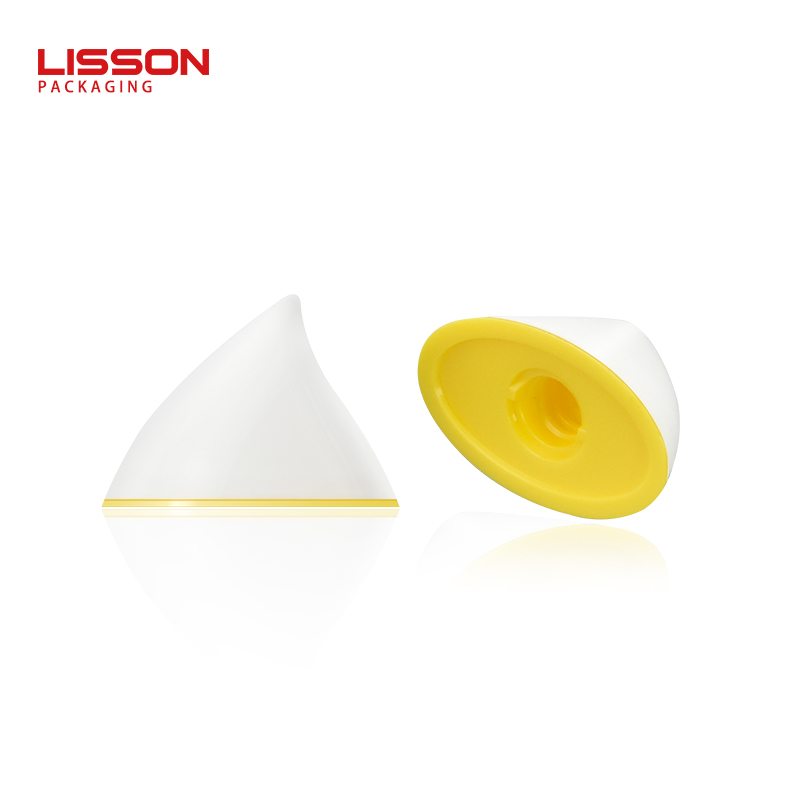
Consumer convenience is another major reason why lightweight plastic bottles are widely used in beauty and personal care packaging.
Cosmetic products are often used every day, so packaging needs to feel comfortable in the hand and work well in different situations. A lightweight bottle is easier to carry in a handbag, place in a bathroom cabinet, or pack for travel.
Small-capacity plastic bottles are particularly useful for travel skincare, sunscreen, and other products that consumers prefer to carry with them. Larger pump bottles, on the other hand, provide convenient dispensing for products used regularly at home.
Different dispensing structures also make plastic bottles suitable for different cosmetic applications:
For brands developing convenient daily-use packaging, plastic cosmetic pump bottles provide different dispensing options that can be matched to the formula's viscosity and intended application.
The overall user experience depends on more than bottle weight. Grip, opening design, pump performance, dispensing quantity, and ease of use should all be evaluated during packaging development.
Different plastic materials offer different performance and appearance characteristics. Choosing the right material depends on the cosmetic formula, packaging structure, product positioning, and manufacturing requirements.
PET (Polyethylene Terephthalate)
PET is widely used in cosmetic packaging because it combines relatively low weight with good rigidity and transparency. It is a suitable option for brands that want to display the color or appearance of their products through clear packaging. PET bottles are commonly considered for toners, lotions, facial cleansers, and personal care products.
PE (Polyethylene)
PE is a versatile material for cosmetic bottles. Depending on the material grade and bottle construction, it can provide a flexible or relatively durable packaging structure. It is frequently used for shampoo, conditioner, body lotion, sunscreen, and squeeze packaging.
HDPE (High-Density Polyethylene)
HDPE is valued for its practical durability and chemical resistance. It is commonly considered for everyday personal care packaging, including hand creams, cleansers, and sunscreen products. Its surface can also support different decoration methods and customized brand colors.
PP (Polypropylene)
PP is frequently used for cosmetic packaging components such as caps, closures, and pump parts. It can also be used in selected bottle structures depending on the product's requirements.
PETG
PETG is often selected when brands want a clear, attractive appearance and design flexibility. It is commonly considered for premium skincare packaging, eye care products, and specialized cosmetic containers where presentation is an important part of the product experience.
There is no single best material for every cosmetic product. Brands should evaluate material compatibility, wall thickness, impact resistance, sealing performance, and storage conditions before confirming a packaging specification.
Explore PET and PETG cosmetic bottles from LISSON to compare packaging options for different beauty and personal care applications.
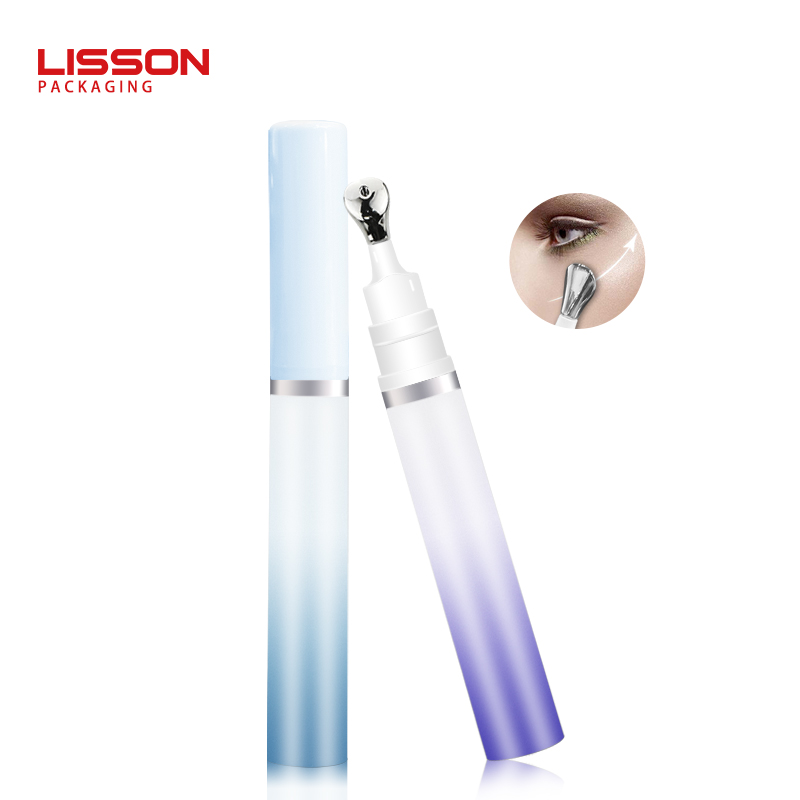
Lightweight packaging does not mean brands have to sacrifice visual appeal. Modern plastic bottle manufacturing offers considerable flexibility in bottle shapes, colors, surface finishes, and decorative techniques.
For example, a skincare brand may choose a transparent PET bottle to create a clean and simple appearance. A premium haircare collection may use a matte plastic bottle with a customized pump head, while a travel skincare range may prioritize compact dimensions and easy-to-carry designs.
Common customization options include:
For example, LISSON's 500ml matte flocked square cosmetic pump bottle demonstrates how a practical bottle structure can be combined with a distinctive soft-touch finish and customized branding options.
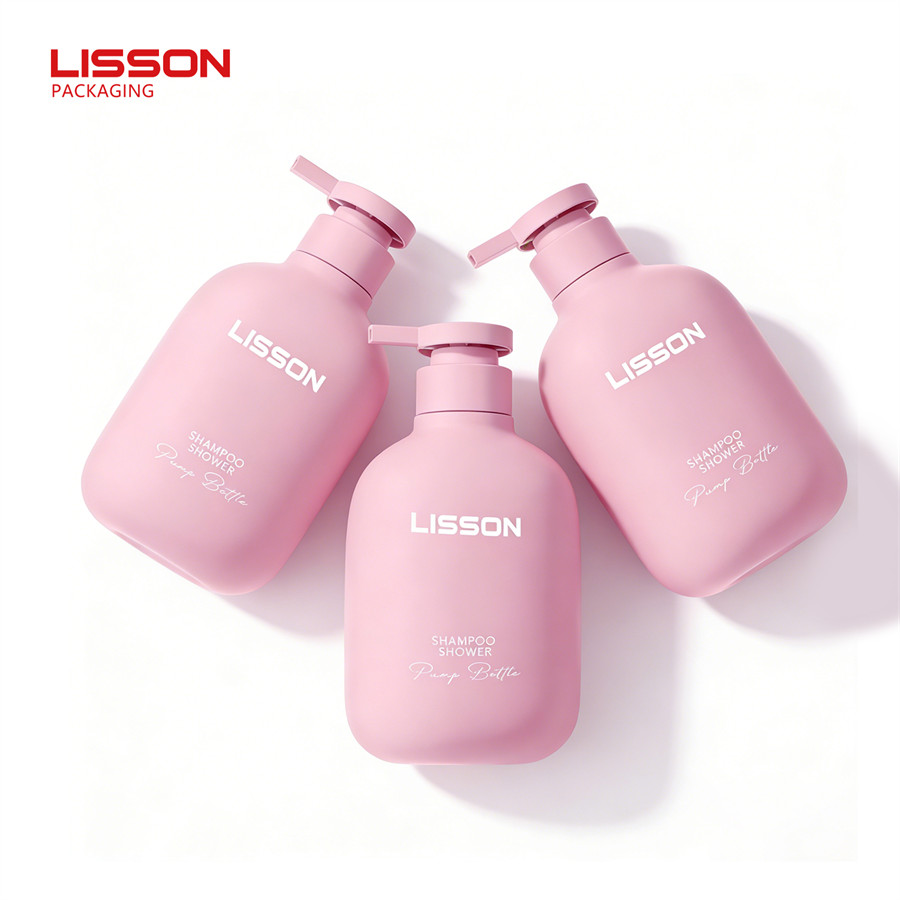
For brands developing a new cosmetic collection, packaging appearance should be considered alongside functionality. Bottle shape, color, surface texture, and pump design all contribute to how consumers recognize and experience a product.
Brands can also explore LISSON's cosmetic packaging customization services to develop bottle designs, colors, and decoration according to their product requirements.
Sustainability is becoming an important consideration when cosmetic brands select packaging materials. Lightweight plastic bottles can contribute to material reduction when manufacturers optimize bottle structures and use only the material necessary to achieve the required performance.
Using less plastic per container may reduce the amount of raw material required for production. In addition, lighter packaging can help reduce transportation weight, although the actual environmental benefit depends on the full supply chain and distribution method.
Some cosmetic brands are also exploring recycled plastic materials, including PCR-PET and PCR-PE, as part of their packaging strategies. These materials allow post-consumer recycled content to be incorporated into new packaging, subject to material availability, quality requirements, and product compatibility.
However, lightweight packaging alone does not automatically make a product environmentally friendly. Recyclability depends on the bottle material, colorants, labels, closures, pumps, and the recycling infrastructure available in the target market.
For this reason, brands should consider material reduction, recycled content, packaging durability, and end-of-life management together when evaluating cosmetic packaging choices.
LISSON also provides plastic packaging options such as PCR-PE and PCR-PET, along with reduced-material bottle designs. These solutions give brands additional possibilities when developing packaging that considers both product performance and material efficiency.
Although lightweight cosmetic bottles offer several advantages, selecting the right packaging requires more than choosing the lightest available container. A suitable bottle must meet the functional requirements of the formula and the practical needs of the supply chain.
Before placing a bulk order, cosmetic brands should evaluate the following factors:
Testing should be conducted using the actual formula and intended packaging configuration. Depending on the product, relevant evaluations may include leakage tests, drop tests, compatibility tests, and transportation simulations.
A well-designed lightweight bottle should balance material efficiency with reliable performance throughout the product's lifecycle.
Choosing an experienced cosmetic packaging manufacturer can make the development process easier, particularly for brands that require customized bottle structures, material options, and dispensing systems.
LISSON Packaging manufactures plastic bottles and cosmetic containers for skincare, haircare, beauty, and personal care applications. Its product range includes PE, PP, PET, PETG, airless bottles, pump bottles, and other packaging solutions designed for different product requirements.
With bottle design, mold development, surface processing, and OEM/ODM customization capabilities, LISSON supports brands throughout packaging development, from initial design and sample production to mass production.
Whether you are developing a lightweight lotion bottle, a PET skincare container, or a customized shampoo pump bottle, the packaging solution can be evaluated according to the product formula, capacity, appearance, and dispensing requirements.
For cosmetic brands looking for a packaging partner, LISSON offers different bottle structures and customization possibilities to support new product development and existing product lines.
Why are lightweight plastic bottles popular in cosmetic packaging?
Lightweight plastic bottles are popular because they are easy to handle, relatively durable, convenient to transport, and highly customizable. They can be manufactured in different shapes, sizes, materials, and dispensing formats for skincare, haircare, and personal care products.
Which plastic material is best for lightweight cosmetic bottles?
PET, PETG, PE, HDPE, and PP are commonly used in cosmetic packaging. PET is often selected for its transparency and rigidity, while PE and HDPE are widely used for practical personal care containers. The best material depends on formula compatibility, bottle design, and performance requirements.
Are lightweight plastic bottles suitable for skincare products?
Yes. Lightweight plastic bottles can be used for facial cleansers, toners, lotions, serums, sunscreen, and other skincare products. The material and dispensing structure should be selected according to the formula and required product protection.
Can lightweight plastic cosmetic bottles be customized?
Yes. Manufacturers can offer customized bottle shapes, capacities, colors, logos, surface finishes, caps, and pump systems. Options such as silkscreen printing, offset printing, and hot stamping can help brands create distinctive packaging.
Do lightweight plastic bottles help reduce shipping costs?
They can help reduce shipment weight compared with heavier packaging alternatives. The actual cost savings depend on the bottle design, total order quantity, carton dimensions, shipping method, and freight pricing.
Are lightweight plastic bottles recyclable?
Some lightweight plastic bottles are recyclable, depending on the material, package construction, and local recycling infrastructure. PET, HDPE, and PP are commonly recyclable materials in many markets, but pumps, labels, colorants, and mixed-material components may affect recyclability.
How can brands choose a reliable lightweight cosmetic bottle manufacturer?
Brands should evaluate the manufacturer's material options, mold development capabilities, customization services, sample testing procedures, production capacity, and quality control processes. Testing the actual bottle with the intended cosmetic formula before mass production is also important.

 Lisson Mansion , No.2-36 Yongfa Road, Huadu District,Guangzhou CHINA
 +8615099958531
 lissontube@gzlisson.com